A Guide to Sustainable Fabrics: Organic Cotton, Tencel & Bamboo Blends
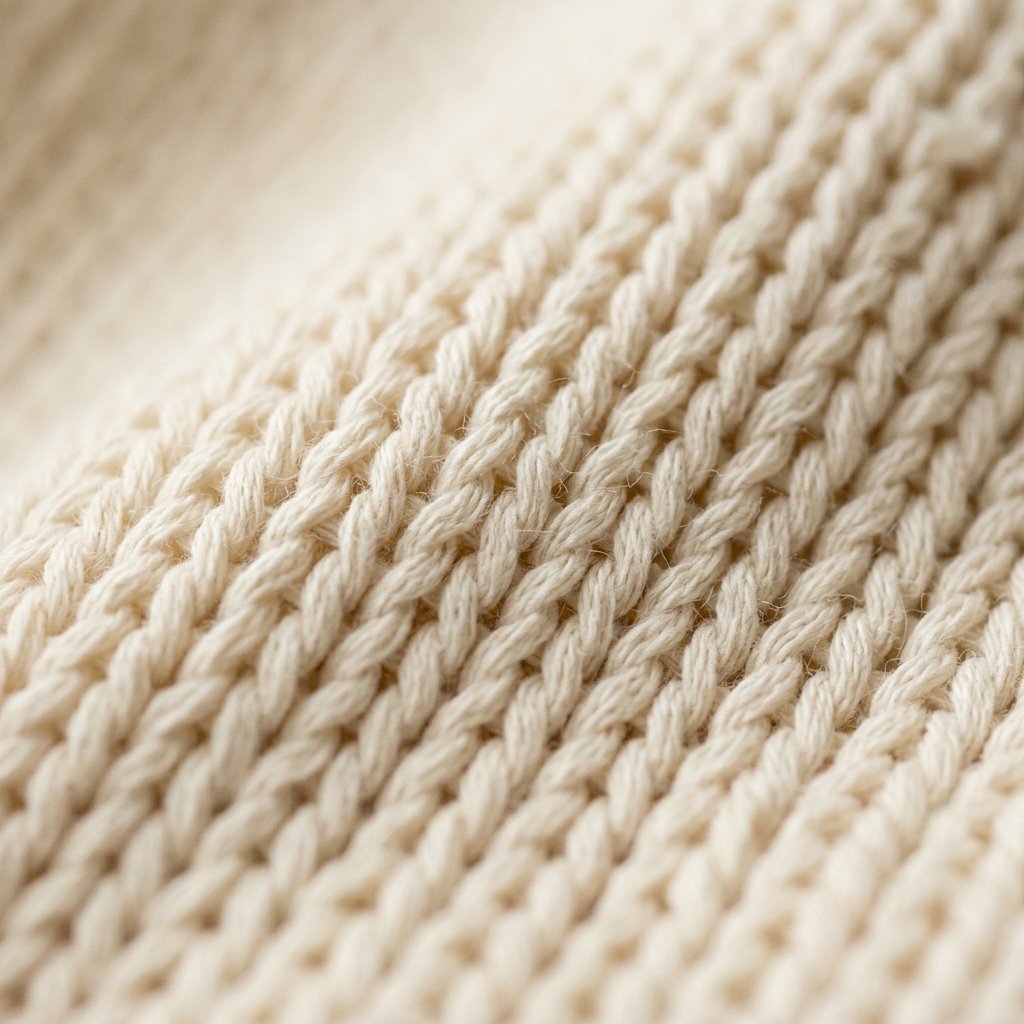
Explore the carbon footprint, texture feel, and blending properties of sustainable organic yarns, helping eco-conscious brands choose materials wisely.
The fashion industry is undergoing a historic green revolution. Conscious consumers are no longer just looking at styles and price tags—they want to know exactly what materials go into their garments, and how those materials impact the planet.
Organic Cotton vs. Conventional Blends
Conventional cotton farming accounts for a significant portion of the world's agricultural chemical usage. Organic cotton, on the other hand, is grown without synthetic pesticides, saving water, supporting biodiversity, and protecting farmers. When knitted into fabrics, organic cotton is exceptionally soft, hypoallergenic, and highly breathable.
The Rise of Bamboo and Tencel
To add luxury drapes and moisture-wicking properties, manufacturers are blending organic cotton with sustainable cellulosic fibers:
- Tencel (Lyocell): Sourced from sustainably managed eucalyptus forests, processed in a closed-loop system where 99% of solvents are recycled.
- Bamboo Fiber: Regenerated bamboo offers natural anti-bacterial benefits and a silky-smooth surface feel.
By shifting to these earth-friendly fiber alternatives, fashion labels can significantly reduce their environmental footprint while still providing premium, soft-touch clothing collections to their audiences.