Behind the Circular Loom: How High-Speed Knitting Machines Operate
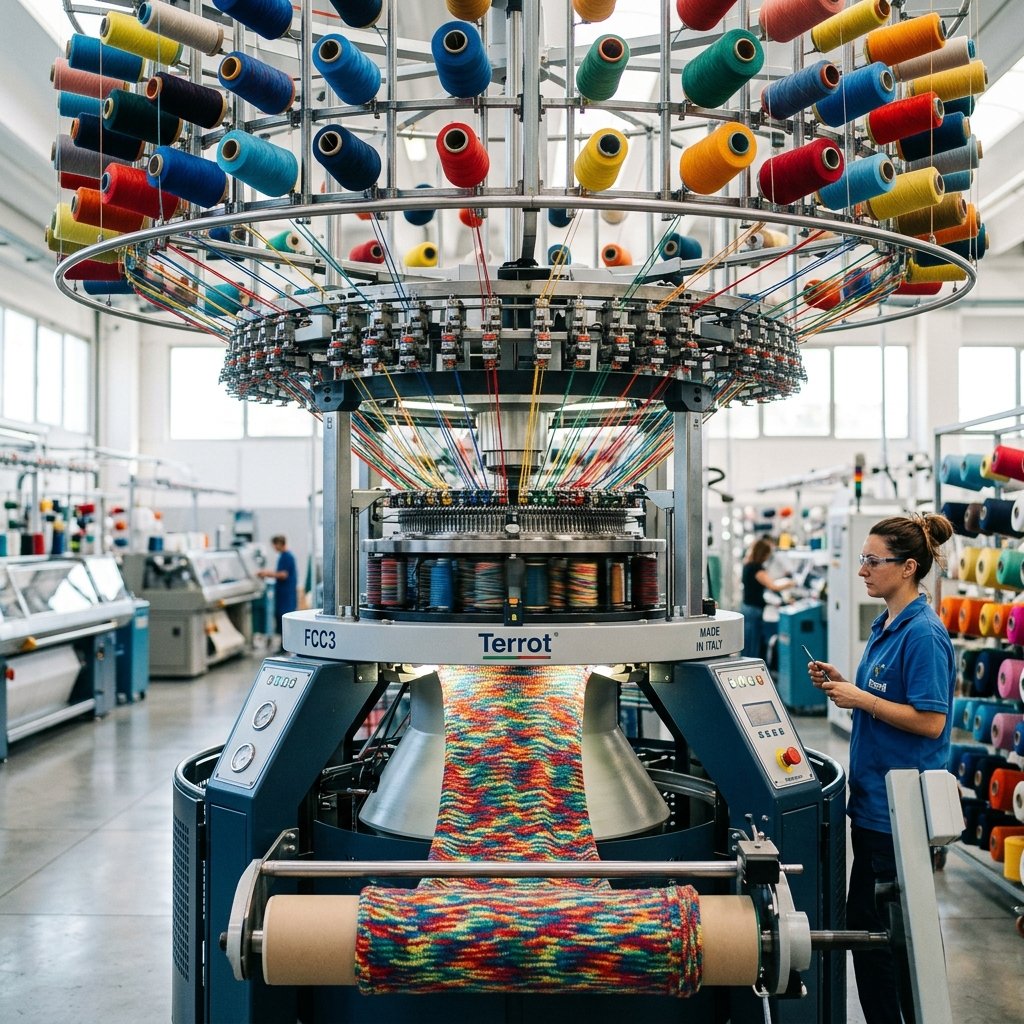
An inside look into the complex mechanism of modern industrial circular knitting machine setups that manufacture knitted textiles at scale.
Textile mills around the world hum with the constant, hypnotic rhythm of circular knitting machines. If you have ever wondered how raw yarn reels turn into beautiful, uniform tubular fabric, the answer lies in the engineering marvel of the circular knitting loom.
The Mechanics of the Needle Loop
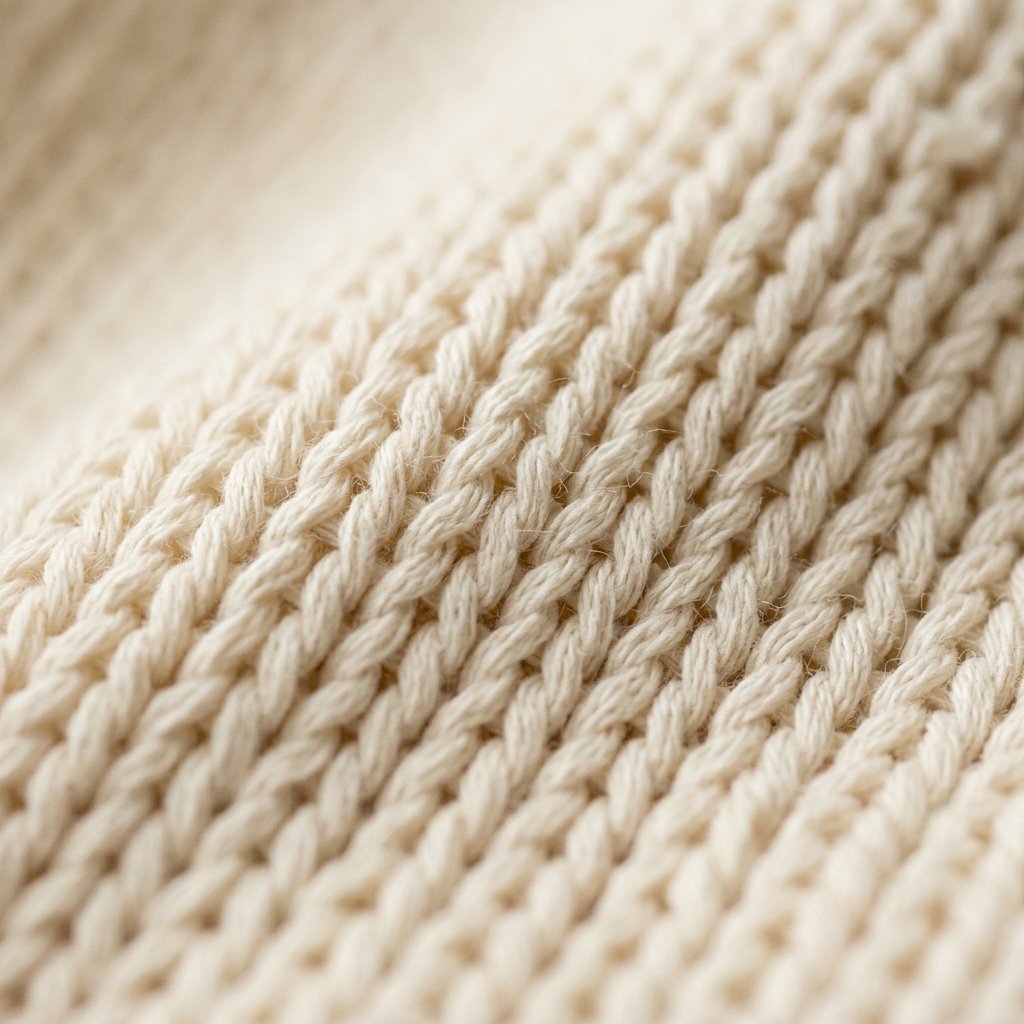
Unlike traditional flatbed knitting, circular machines utilize a cylindrical bed populated with hundreds of latch needles. As the cylinder rotates, feeds of yarn are guided into the needles. Latch needles slide up and down, pulling new loops of yarn through existing loops. This continuous helical knitting produces seamless fabric tubes, which can later be slit open or processed as-is for garment manufacturing.
Key elements that dictate fabric properties include:
- Machine Gauge: The number of needles per inch. Higher gauges produce denser, finer fabrics.
- Yarn Tension: Proper tension prevents uneven loops, slubs, and structural defects.
- Speed & Temperature: Lubrication and speed limits ensure machinery stays in optimal condition during long production runs.
By optimizing these parameters, modern textile houses can produce thousands of meters of high-density jersey or fleece fabric per day, ensuring global clothing brands receive consistent quality with minimal downtime.